Out-of-Network vs In-Network Therapy Billing
10 min read
Figuring out how to prevent denied claims in behavioral health is one of the most frustrating but necessary parts of running a successful practice. You provide essential mental health services, submit the insurance claims, and wait, only to get hit with a rejection from the insurance company. This m
Cipher Admin
Cipher Billing Team

Figuring out how to prevent denied claims in behavioral health is one of the most frustrating but necessary parts of running a successful practice. You provide essential mental health services, submit the insurance claims, and wait, only to get hit with a rejection from the insurance company. This m
Figuring out how to prevent denied claims in behavioral health is one of the most frustrating but necessary parts of running a successful practice. You provide essential mental health services, submit the insurance claims, and wait, only to get hit with a rejection from the insurance company. This messes with your cash flow, bogs down your behavioral health providers, and hurts your overall ability to maintain focus on patient care. Behavioral health billing plays by a different set of rules and procedures, requiring high accuracy. In fact, up to 90% of claims denied are easily avoidable, highlighting the importance of effective claim handling processes. At CipherBilling, we help healthcare organizations and behavioral health organizations untangle these issues to support better financial performance. This guide cuts to the chase on why claim denials happen and how to fix your claims process to get paid without delays.
The denial rate for behavioral health is staggeringly high compared to other medical specialties. In 2023, 30% of mental health claims were denied, compared to only 19% of all other claims, highlighting the unique challenges faced in behavioral health billing. These behavioral health claims are scrutinized heavily for medical necessity, making denial management a critical part of your revenue cycle.
Let’s look at the denial data to understand the most common reasons and root causes. Common reasons for behavioral health claim denials include missing or invalid authorization, patient insurance eligibility issues, incorrect codes, insufficient clinical documentation of medical necessity, duplicate claims, and timely filing issues.
Navigating insurance plans is notoriously tricky in this field. A “carve-out” plan is when mental health benefits are managed by a separate insurer from the main health plan. Behavioral health claims are often denied due to unique complexities, such as “carve-out” plans where mental health benefits are managed by a separate insurer. It is crucial to confirm whether behavioral health is a “carve-out” and check for specific session limits or deductibles before the first appointment. Treating patients without taking the first step to verify insurance eligibility for specific health services often results in unpaid claims for non covered services. Industry-wide, practices struggle with slow verification of benefits that delays admissions. That’s why CipherBilling developed an industry-leading 9-minute Verification of Benefits (VOB) turnaround so you know exactly what coverage is active before a patient’s access to care is delayed.
Insurers are strict about the documentation supporting your services provided. Insurers often require providers to demonstrate medical necessity for behavioral health services, which can be challenging to quantify, leading to frequent claim denials.
To combat this risk, having a dedicated Utilization Review (UR) strategy is crucial. At CipherBilling, our UR specialists collaborate with your facility daily to extend patient stays, secure complex authorizations, and ensure documentation meets strict payer criteria to support denial prevention before denials happen.
Proper coding dictates your reimbursement and ensures accurate billing. Accurate coding is crucial for behavioral health claims because incorrect codes can lead to claim denials, delays in reimbursement, and potential legal issues. The data backs this up: in 2023, 30% of mental health claims were denied, compared to only 19% of all other claims, highlighting the importance of precise coding in reducing denial rates.
Coding errors, even small ones due to human error, trigger instant rejections. Using outdated codes or failing to match the service description to the appropriate code leads to denials, emphasizing the need for ongoing staff training on coding standards. This compliance check requires regular training and regular updates to keep your team informed and reduce errors.
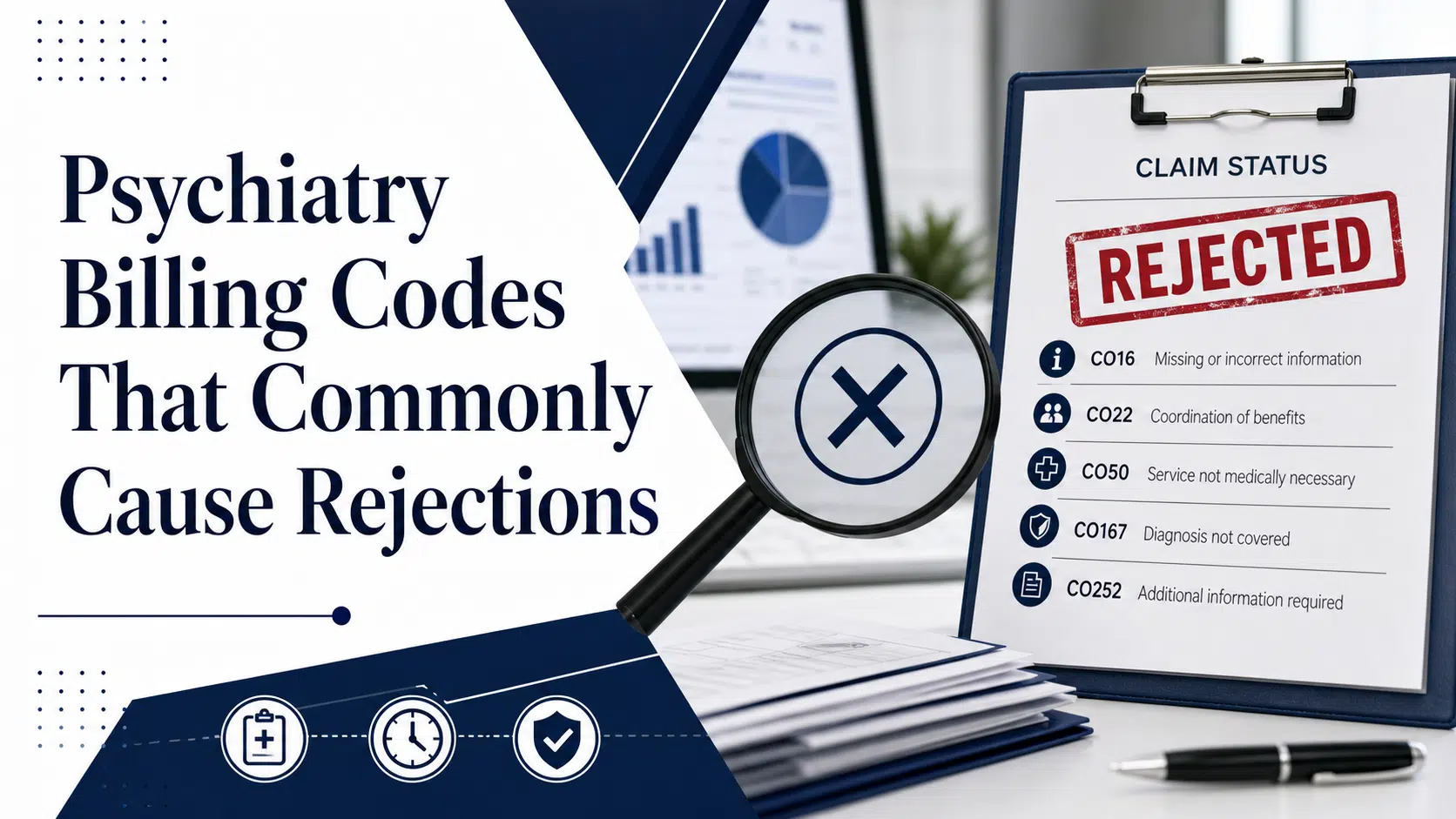
Even with good practices in place, some claims will inevitably bounce back. Resolving claim denials involves a multi-step process, beginning with a detailed analysis of Claim Adjustment Reason Codes (CARC) and Remittance Advice Remark Codes (RARC) codes to identify the root causes of denial.
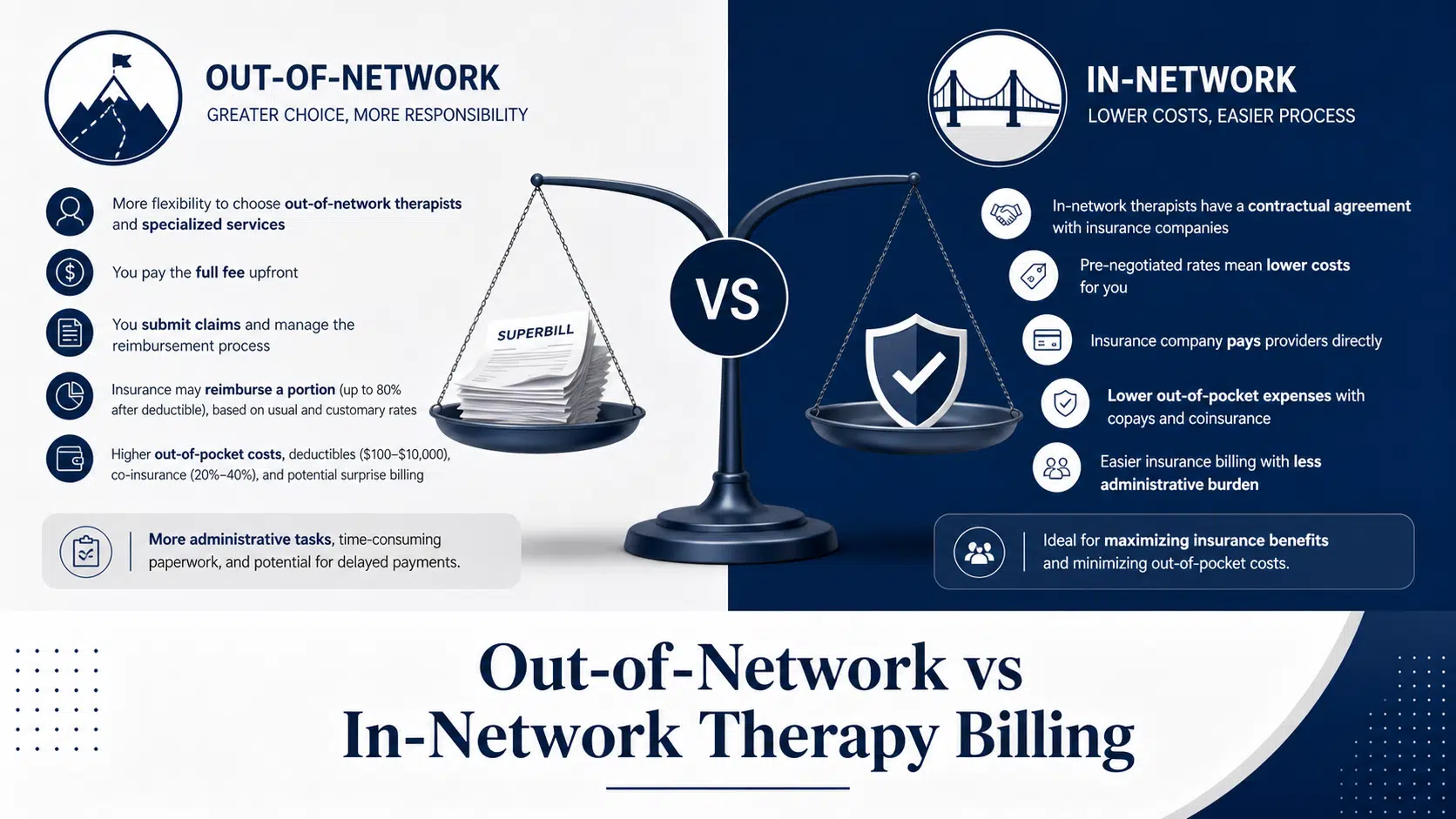
Once the cause of a denial is identified, the next step is to submit corrected claims, ensuring that all necessary documentation is accurate and comprehensive. The appeal process for denied claims can be broken down into stages, including reconsideration, redetermination, and medical dispute resolution, each requiring specific documentation and justification. A major industry concern is accepting underpayments or simply giving up on difficult out-of-network claims. CipherBilling steps in with aggressive pre- and post-payment negotiations, averaging a 30.36% out-of-network reimbursement rate to fight for your services and address low payouts.
Instead of reacting to denied claims after the fact, your practice needs a proactive approach. Effective strategies to prevent denied claims in behavioral health include verifying patient eligibility in real-time, enforcing prior authorization management, ensuring detailed documentation, and using automated coding scrubs.
Proactive eligibility verification is essential; providers should confirm a patient’s coverage for behavioral health at every session. Take the time to verify coverage to lower your financial risk.
Implementing a pre authorization system to verify coverage before services are provided can significantly reduce the risk of claims being denied due to authorization issues. If a pre-auth expires, it will lead to automatic denials. Automated tools can alert staff before authorizations expire or when session limits are reached, helping to manage prior authorizations effectively.
A solid behavioral health ehr software is key to catching errors before submission.
Regularly examining past denials can help identify recurring issues, allowing practices to create best practices and training for staff to reduce future denials. Staff training is a vital piece of the puzzle.
Ongoing revenue cycle management analysis, including scheduled reviews of key performance indicators like denial rate, can help practices optimize their process and reduce claim denials.
Strengthening communication with insurance companies can help clinics stay updated on changes in policies or coding standards, thereby minimizing the risk of denials.
Managing authorizations, tracking coding updates, and fighting appeals takes serious time and specialized support. Many medical billing companies treat behavioral health like just another generic specialty, but at CipherBilling, denial prevention for mental health and addiction recovery has been our exclusive focus since 2017. We don’t shuffle you off to a call center; instead, we assign a dedicated, U.S.-based Partner Experience Executive to act as a direct extension of your leadership team. By partnering with us to manage your revenue cycle, you get the high-touch support and proprietary systems needed to optimize your operations. If your clinic is ready to stop leaving money on the table, let our experts help you build better strategies to prevent denied claims in behavioral health.
About the Author
Cipher Billing Team
In This Article
Cipher Billing specializes in behavioral health revenue cycle management. Reach out for a free consultation and see how we can maximize your reimbursements.