Behavioral Health Billing ExpertsCall Now | 949-676-2252

Understanding 2026 Addiction Treatment Insurance Changes

Welcome to our comprehensive guide for CipherBilling. The landscape of behavioral health is shifting, and learning about understanding 2026 addiction treatment insurance changes is essential for anyone seeking help. This year brings many updates to how insurance companies handle mental health and su

Cipher Admin

Cipher Billing Team
April 15, 2026
9 min read

Welcome to our comprehensive guide for CipherBilling. The landscape of behavioral health is shifting, and learning about understanding 2026 addiction treatment insurance changes is essential for anyone seeking help. This year brings many updates to how insurance companies handle mental health and su

Welcome to our comprehensive guide for CipherBilling. The landscape of behavioral health is shifting, and learning about understanding 2026 addiction treatment insurance changes is essential for anyone seeking help. This year brings many updates to how insurance companies handle mental health and substance use claims. As you plan your healthcare or help a loved one, understanding these complex shifts can save you money and prevent disruptions in care.

Navigating Insurance Challenges

For many individuals and their families, the process can feel overwhelming. Dealing with paperwork, deciphering limits, and determining what is paid for can be stressful. However, navigating insurance successfully is possible when you learn the foundational rules and familiarize yourself with your specific benefits.

The Shift from Previous Years

When we look at previous years, insurance regulations were structured quite differently. Now, the landscape features both new protections and new hurdles for accessing care.

  • Federal agencies have paused the enforcement of 2024 rules that strictly limited how insurers use prior authorization and non-quantitative treatment limitations.
  • In 2026, significant changes in federal policy have reduced some requirements for insurance companies to provide equal coverage for mental health and addiction treatment compared to other medical care, leading to higher premiums and potential loss of coverage for some individuals.

Major Changes at the Federal Level

There are major changes at the federal level in how care is managed and how information is shared among providers.

  • New rules effective February 16, 2026, allow providers to obtain a single, general consent for record sharing to simplify care coordination.
  • New regulations under 42 CFR Part 2 go into effect on February 16, 2026, to protect addiction treatment records.

The Impact of the Affordable Care Act

The Affordable Care Act remains a cornerstone of how Americans access mental health treatment and vital recovery resources.

  • Under the Affordable Care Act, all marketplace health insurance plans must cover mental health and substance use disorder services as one of the ten essential health benefits.

Choosing a Marketplace Plan

Selecting a marketplace plan correctly ensures that you have proper coverage. Depending on your financial situation, you may even qualify for cost-sharing reductions to lower your overall financial burden.

Understanding Mental Health Parity

Mental health parity is a concept meant to guarantee equal treatment for physical and mental health conditions under your insurance policy.

  • New federal rules aim to enforce parity, ensuring insurers do not limit addiction care more strictly than medical care, but changes to Medicare Advantage could lead to higher usage of prior authorization.
  • Despite improvements in access due to parity laws, enforcement remains uneven, with many insurance plans still imposing stricter limitations on addiction treatment compared to other medical care.
  • Mental health parity laws have improved transparency and accountability, allowing patients to appeal denied claims and providing clearer pathways for challenging inadequate coverage.

The Addiction Equity Act in Action

The Addiction Equity Act works alongside parity laws to protect consumers and hold providers accountable.

  • Starting January 1, 2026, most health plans must comply with new, more stringent requirements under the Mental Health Parity and Addiction Equity Act (MHPAEA).
  • The Mental Health Parity and Addiction Equity Act requires insurance plans to provide coverage for mental health and substance use disorder treatment at the same level as medical and surgical benefits.
  • The Mental Health Parity and Addiction Equity Act requires insurers to provide coverage for addiction treatment at the same level as medical care, prohibiting stricter limitations on addiction treatment than on other medical services.

Medical and Surgical Benefits Explained

When assessing your policy, your medical and surgical benefits should match your mental health and substance benefits. Your insurance must not penalize you for seeking care for disorders.

  • As of 2026, insurance companies must treat substance use disorder treatment similarly to medical and surgical benefits, meaning they cannot impose stricter limitations on addiction treatment than they do on other medical care.

Tackling Insurance Jargon

Let’s decode some insurance jargon so you can make informed choices. Understanding terms like deductible, premium, and co pays is incredibly important to maintaining your health and wallet.

What is a Deductible?

Your deductible plays a huge role in your finances and determines when your provider begins contributing to your medical expenses.

  • A deductible is the amount you must pay out-of-pocket for covered healthcare services before your insurance begins to pay, which can be a significant factor in planning medical expenses for addiction treatment.

Financial Realities: Out-of-Pocket Costs

Managing your out-of-pocket costs is a critical part of treatment planning. Often, these pocket costs dictate what level of care is feasible.

  • Maximum out-of-pocket limits for ACA plans are increasing to $10,600 in 2026, potentially reducing affordability for long-term addiction treatment.
  • The out-of-pocket maximum (OOP Max) is the most you will have to pay for covered services in a plan year, after which the insurance company pays 100% of the allowed amount for covered services.

Navigating Co-Pays and Medical Expenses

Every time you visit a doctor, you might pay co-pays. These are fixed amounts you pay for medical services.

  • Health Savings Accounts (HSA) and Flexible Spending Accounts (FSA) allow individuals to use pre-tax dollars to pay for deductibles, co-pays, and other out-of-pocket costs associated with addiction treatment.

The Premium Tax Credit Situation

The premium tax credit is undergoing significant changes in 2026, leading to higher baseline costs for many enrollees.

  • Enhanced premium tax credits (PTC) instituted in 2021 are set to expire unless Congress intervenes, which could significantly increase out-of-pocket premiums.
  • Enhanced premium tax credits are set to expire, which could cause average out-of-pocket premiums to rise significantly for individuals on individual plans.
  • If an individual’s actual 2026 income is higher than projected, they may be required to pay back the full amount of excess subsidies received, with no caps on repayment.

Addressing Income Verification

Stricter income verification means you must monitor your earnings closely to maintain insurance coverage without facing penalties.

  • Low-income individuals can no longer enroll year-round based on income alone.
  • They must now have a qualifying life event to sign up outside the standard Open Enrollment period.
  • New rules eliminate special enrollment periods (SEPs) based solely on income for some individuals, requiring a qualifying life event for enrollment.

Covering Substance Use Disorders

Insurance policies are mandated to assist those with substance use disorders. Treatment for substance abuse and mental illness is critical to community well-being.

  • Insurance coverage for addiction treatment typically includes services such as medical detoxification, inpatient treatment, outpatient therapy, and medication-assisted treatment.

Treatment Coverage and Specialized Services

If you need residential treatment, you will want robust rehab coverage. Look for plans that comprehensively cover specialized services. A good plan will cover behavioral health services and provide comprehensive addiction treatment coverage.

Medical Necessity and Prior Authorization

To access these benefits, you often have to prove medical necessity. Additionally, specific authorizations may be required before you can access particular therapies.

  • Insurance companies often require documentation demonstrating medical necessity before approving higher levels of care for addiction treatment.

Medication Assisted Treatment and Management

One vital approach to addiction recovery is medication-assisted treatment, paired with proper medication management.

  • Trends for 2026 indicate a shift toward “Whole-Person” care, integrating medication-assisted treatment and mental health services.

What If Insurance Denies Coverage?

If your insurance denies coverage, you have options and legal protections. Do not give up immediately; there are pathways to challenge these decisions.

  • When claims for addiction treatment are denied, structured appeals processes provide an opportunity for reconsideration, which can significantly improve outcomes for patients.

Working With the Admissions Team

Before you begin treatment, speak directly with the facility’s admissions team. The admissions team can help verify your addiction treatment benefits and check your insurance networks.

  • Verifying your insurance benefits early and understanding your coverage limits can help reduce surprises and empower you during the treatment process.

Understanding Provider Availability

Be aware that the provider landscape is constantly changing, making it essential to do your research.

  • Some insurers are exiting the marketplace in certain states, which may reduce the number of in-network addiction treatment providers.

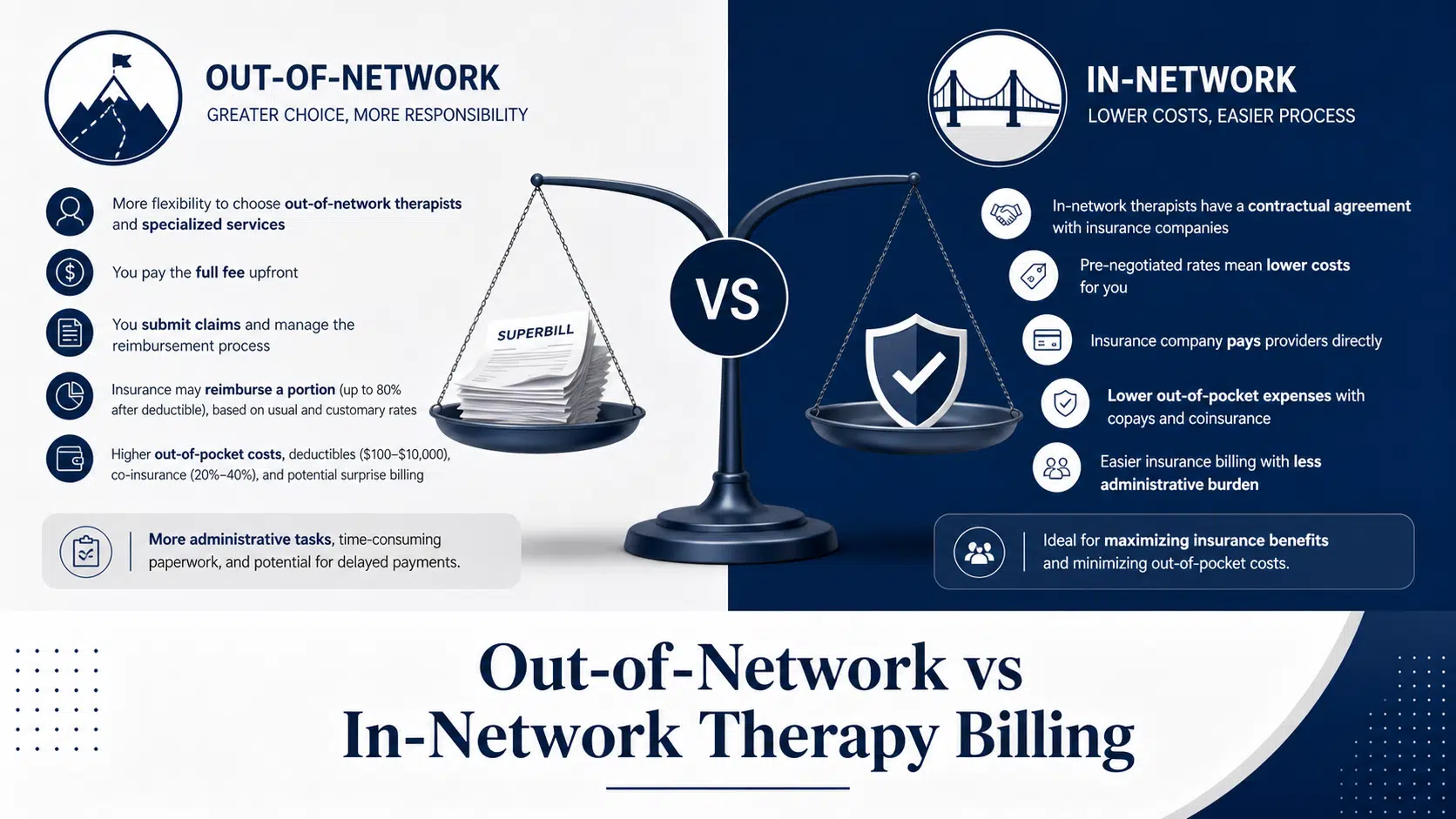
Ensure your chosen facility is in network to avoid massive out-of-network bills.

Updates to Medicare and Medicaid

Government-funded health insurance, such as Medicare and Medicaid, is also evolving, affecting the treatments and services available to vulnerable populations.

  • Federal Medicaid funding is being cut by approximately 15% over 10 years, which may force states to reduce covered services or tighten eligibility.
  • A tighter fiscal climate and 2025 reconciliation laws mean states may implement stricter eligibility or coverage rules for Medicaid programs, affecting access to addiction services.
  • New rules require many Medicaid enrollees aged 19–64 to participate in 80 hours of work or community service per month, affecting coverage.

Medicare Enhancements and Costs

While Medicaid faces cuts, Medicare has some positive expansions alongside rising premiums.

  • Yearly out-of-pocket costs for Medicare Part D drugs are capped at $2,100 for the year 2026.
  • Part B premiums for Medicare are projected to rise significantly, alongside higher deductibles, which may affect access for individuals seeking addiction care.
  • Medicare Advantage plans must now limit in-network cost-sharing for outpatient addiction services to no more than 20% coinsurance.
  • Medicare Advantage plans are now required to offer zero cost-sharing for opioid treatment program services.
  • Medicare has expanded coverage to include intensive outpatient programs for substance use disorders.

The Role of Health and Human Services

Departments such as health and human services and the Mental Health Services Administration continuously monitor these shifts. They work to guarantee that individuals receive equitable care compared to other medical care.

Overcoming Stigma

To effectively manage these changes, it is important to combat the stigma of seeking help.

  • Separate, express written permission is now required before disclosing personally identifiable substance use disorder records for most purposes to reduce stigma.

Maximizing Your Covered Services

Take full advantage of your covered services. Review exactly how your policy handles disorder services and behavioral health services. When the new plan takes effect at the start of the calendar year, be ready to use these essential resources.

Protecting Your Early Recovery

During early recovery, you shouldn’t have to worry excessively about money and substance use triggers caused by financial stress. Knowing what happens when coverage begins gives you peace of mind and allows you to focus solely on your medical recovery.

Securing Your Recovery Journey

Your recovery journey is paramount. While legislative changes may lead to higher costs for some individuals despite improved parity in addiction-treatment insurance, staying informed keeps you empowered. Remember, mental health treatment and ongoing addiction treatment are critical investments in your future. By understanding these 2026 updates, you can secure the rehab coverage you deserve without risking your financial stability.

About the Author

Cipher Admin

Cipher Billing Team

Share this article

Get Expert Help

Stop Losing Revenue to Billing Errors

Cipher Billing specializes in behavioral health revenue cycle management. Reach out for a free consultation and see how we can maximize your reimbursements.

Call Now949-676-2252